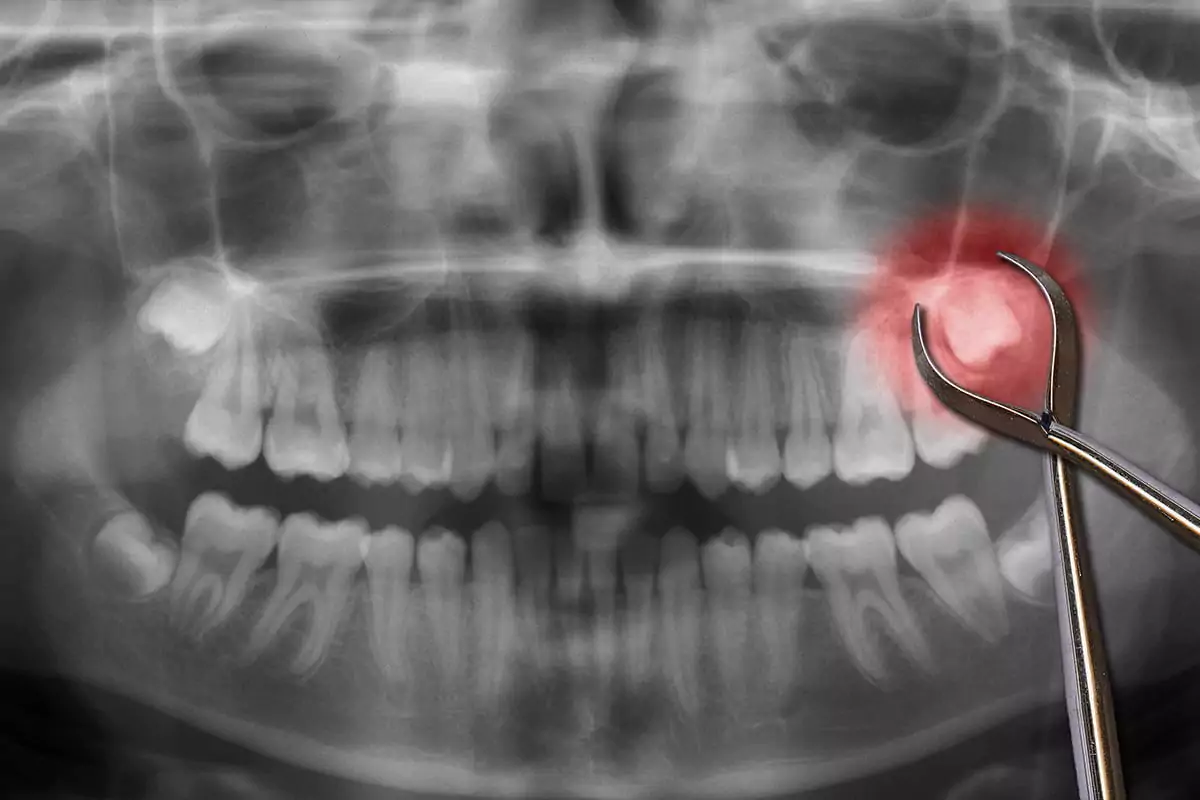
Wisdom teeth, also called third molars, can cause many questions: What exactly are they? When do they appear? Why do they sometimes hurt and sometimes not?
At Channel Islands Family Dental Office in Thousand Oaks, we want to explain everything clearly. We help you understand when it is necessary to remove them and how we perform the procedure safely, comfortably, and effectively.
Third molars are the last teeth to appear in the mouth. They are behind the second molars and usually come in between ages 18 and 25, although some people never develop them or only some appear. They are called wisdom teeth because they usually come in at a more mature stage of life.
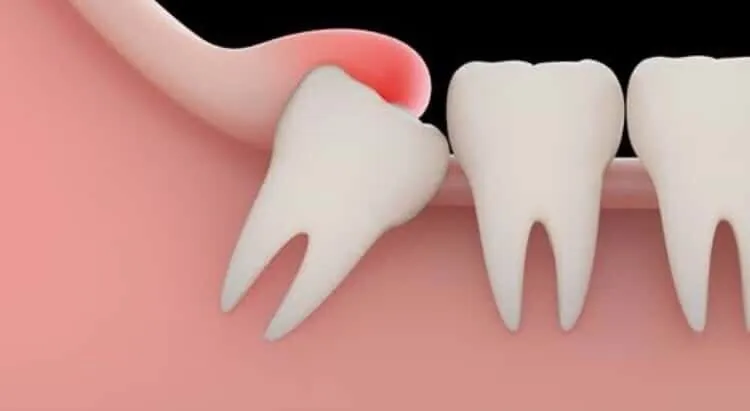
In the past, humans had larger jaws, which allowed these teeth to grow properly. Today, our jaws are smaller, and wisdom teeth often grow crooked or become impacted, which can cause pain, swelling, infections, or problems with nearby teeth.
Common symptoms
Some impacted wisdom teeth do not cause symptoms. But when they do, you may notice:
- Constant or occasional pain at the back of the mouth
- Swelling of the face or gums
- Difficulty opening your mouth (trismus)
- Persistent bad breath
- Sensitive or swollen lymph nodes under the jaw
If you notice any of these signs, it is important to get a professional check-up to prevent complications.