


Wisdom teeth can develop quietly before causing pain or other complications. Our Thousand Oaks dental team can evaluate their position and development with detailed imaging, helping identify potential concerns early and determine whether monitoring or removal is the right choice for your smile.
Quick Answer: Wisdom teeth care in Thousand Oaks means deciding whether to keep or remove your third molars based on position, symptoms, and oral health. Some wisdom teeth stay safely in place with monitoring, while impacted or problematic ones need extraction to prevent pain and complications.
Bilingual customer service, flexible insurance plans, and five locations that make it easy to stay on top of things.
Including our office in 1620 Newbury Rd Suite 5, Newbury Park, CA 91320

Not always — if they’re aligned, not affecting nearby teeth, and easy to clean, they can often stay in place with regular monitoring.
Dentists in Thousand Oaks evaluate position, symptoms, and X-rays to determine if the tooth can safely stay or if extraction is needed to prevent problems.
Pain at the back of the mouth, gum or facial swelling, trouble opening your mouth, and persistent bad breath are signs to get checked in Thousand Oaks.
Wisdom teeth, or third molars, are a common topic with many questions: What are they really? Why do some people have them while others don’t? When should they be removed, and when can they be kept?
At Channel Islands Family Dental Office in Thousand Oaks, we want to explain everything in a clear and friendly way so you understand the function of these teeth, how we evaluate them, and what options exist for your situation.
Third molars are the last teeth to appear in your mouth. Their name comes from the stage of life they appear in, often associated with maturity and wisdom.
Our ancestors needed these teeth to chew harder foods, so their jaws were larger. Today, our jaws are smaller, and our diet is softer.
Because of this, wisdom teeth sometimes grow crooked or become impacted, which can cause pain, swelling, or other dental problems.
Even though not everyone needs them, wisdom teeth have important functions:
When wisdom teeth grow correctly and do not cause problems, they can safely remain in the mouth.
We work with the most common insurance plans in Ventura County, and if you don’t have insurance, we have an affordable option to get you started.





At our Thousand Oaks clinic, we carefully evaluate each tooth:
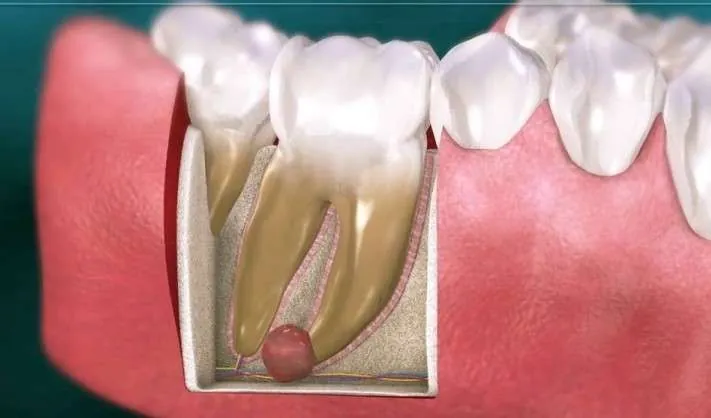
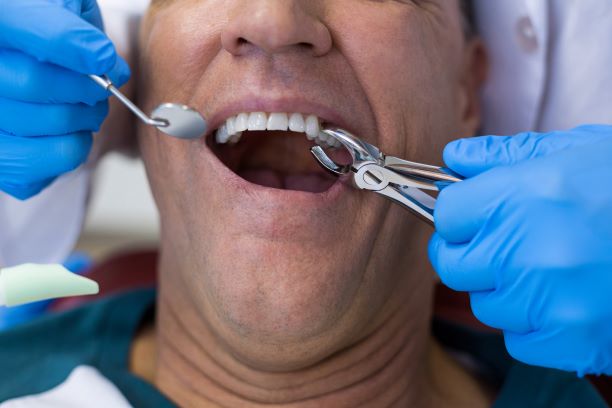
Some situations require extraction to prevent complications:
At Channel Islands Family Dental Office, we follow a safe and personalized approach:
Our goal is to make sure every patient understands their situation and can make informed decisions.

Taking care of your wisdom teeth—whether keeping or removing them at the right time—helps:
Many wisdom teeth cause no symptoms, but some signs mean it’s important to get them checked:
Detecting these problems early helps prevent bigger complications.
If you want to check the health of your wisdom teeth or get a professional evaluation, we invite you to visit our Thousand Oaks clinic.
Our dental team will explain everything clearly, answer your questions, and guide you to keep your smile healthy, safe, and comfortable.
Explore more ways to care for your smile with comprehensive dental services available in one convenient location.
Neither has to be painful. Monitoring a healthy wisdom tooth causes no discomfort, and if removal is needed, local anesthesia or sedation keeps you comfortable. Our Thousand Oaks dentists prioritize a pain-free experience either way.
Cost depends on whether your teeth just need monitoring or require extraction. Channel Islands Family Dental Office accepts Medi-Cal, Denti-Cal, Gold Coast Health Plan, Tricare, and PPOs, plus financing. Our Thousand Oaks team gives you clear pricing after your evaluation.
A typical evaluation includes a visual exam and digital X-rays, usually completed within one visit. From there, our Thousand Oaks dentists discuss whether to monitor, keep, or remove the teeth based on your specific case.
Yes, if they’re aligned, not crowding nearby teeth, and easy to keep clean, they can remain with regular checkups. Our Thousand Oaks dentists monitor them over time with periodic X-rays. This approach works well when the teeth aren’t causing any problems.
It can lead to recurring pain, infections like pericoronitis, cysts, or damage to nearby teeth. Catching these issues early prevents more complex treatment later. Our Thousand Oaks dentists recommend addressing warning signs before they escalate.
Fill out the form or call us directly—we’ll confirm by phone or text message.
Fill out the form or call us directly—we’ll confirm by phone or text message.