

Wisdom tooth removal in Newbury Park provides a safe, carefully planned solution for impacted, painful, or problematic third molars. With digital imaging, personalized treatment planning, and comfort-focused care, our team helps make the extraction process as smooth as possible—from evaluation through recovery.
Quick Answer: Wisdom tooth removal in Newbury Park treats third molars that grow impacted or in the wrong position, often causing pain, swelling, or infection. Since jaws today are smaller than in the past, these teeth commonly need extraction between ages 18 and 25 to prevent complications.
Bilingual customer service, flexible insurance plans, and five locations that make it easy to stay on top of things.
Including our office in 1620 Newbury Rd Suite 5, Newbury Park, CA 91320

Because modern jaws are smaller, wisdom teeth often grow impacted or misaligned, which can cause pain, infection, cysts, or damage to nearby teeth if left untreated.
Common signs include pain at the back of the mouth, facial or gum swelling, difficulty opening your mouth, bad breath, and swollen lymph nodes under the jaw.
No, local anesthesia or sedation keeps you comfortable during the procedure, and any soreness afterward is manageable and temporary.
Most of us have heard about wisdom teeth, also called third molars, but not everyone knows what they are, when they appear, or what problems they can cause to nearby teeth and gums.
Many people think wisdom teeth always cause pain, but this is not true. Some people never feel any discomfort.
At Channel Islands Family Dental Office in Newbury Park, we want to explain clearly what wisdom teeth are, when it is necessary to remove them, how we perform the procedure, and how to care for yourself to recover safely.
Wisdom teeth are the last molars to appear in the mouth. They are behind the second molars and usually come in between ages 18 and 25. Sometimes only some appear, or they may never grow at all. They are called “wisdom teeth” because they come in at a more mature stage of life.
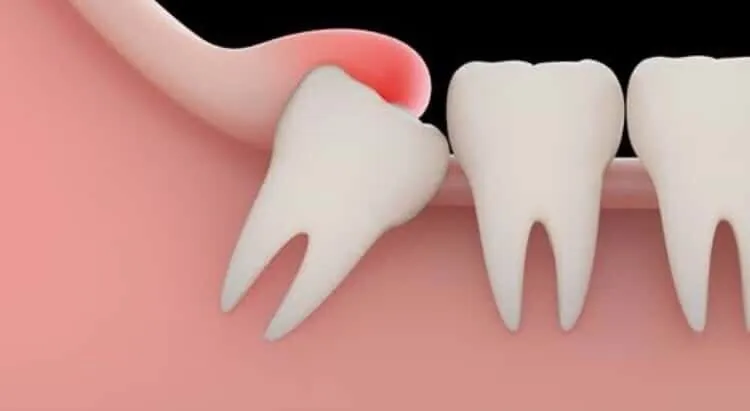
In the past, our ancestors needed bigger jaws to chew tough foods, so wisdom teeth had space to grow. Today, our jaws are smaller and our food is softer. This can cause wisdom teeth to grow in the wrong position or become impacted, which may lead to pain, swelling, infections, or even damage to nearby teeth.
Some impacted wisdom teeth do not cause symptoms. But when they do, you may notice:
These signs show the need for a professional evaluation to prevent bigger problems.
We work with the most common insurance plans in Ventura County, and if you don’t have insurance, we have an affordable option to get you started.




Pain or problems with wisdom teeth can happen for different reasons:

These teeth are at the back, making them harder to clean. Cavities can cause strong pain and sensitivity when eating or drinking.
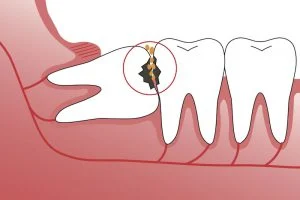
Many people don’t have enough space in their jaw. Wisdom teeth may grow crooked, press on nearby teeth or nerves, or cause gum swelling.
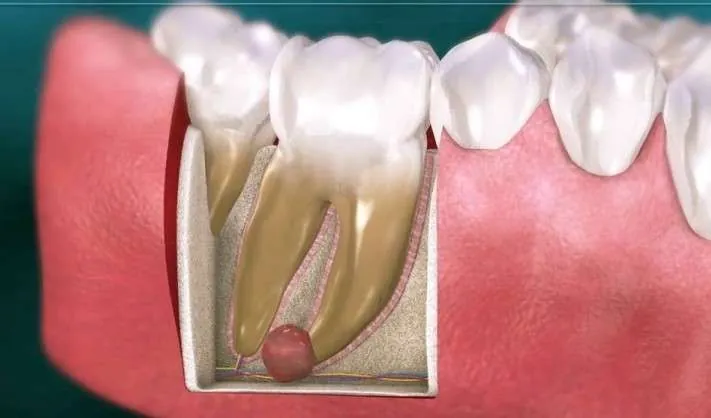
Sometimes, the sac around the tooth fills with fluid, forming a cyst. This can damage bone, teeth, and nerves if not treated.
At Channel Islands Family Dental Office, every patient gets a personalized check-up. During your visit, our dentists in Newbury Park:
Our goal is to prevent complications and help you make informed decisions about your oral health.

Removing wisdom teeth at the right time helps to:
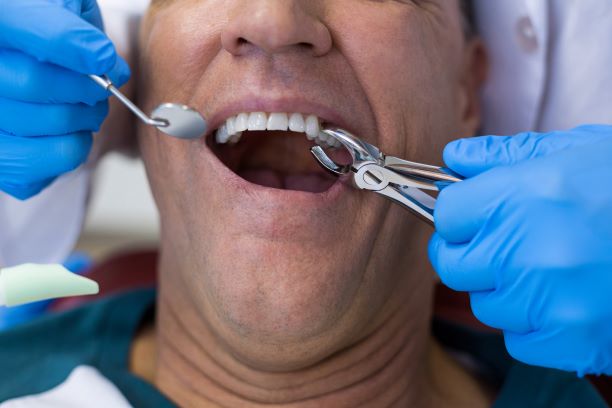
If removal is needed:
Most extractions are done in our Newbury Park office, without hospitalization, in a safe, clean, and comfortable environment.
To recover quickly and safely, our dentists in Newbury Park recommend:
Recovery usually takes 3–4 days for most discomfort and up to 1 week for full healing.
If you feel pain, pressure, or just want to check your wisdom teeth, don’t wait for pain to start.
As dentists in Newbury Park, we are ready to give you a complete evaluation, explain all your options, and guide you through every step.
Call Channel Islands Family Dental Office today and take the first step toward a healthy, pain-free smile.
Explore more ways to care for your smile with comprehensive dental services available in one convenient location.
No, we use local anesthesia or sedation so you don’t feel pain during the procedure. Some soreness and swelling are normal for a few days afterward. Our Newbury Park dentists focus on keeping you comfortable throughout recovery.
Cost depends on how impacted the tooth is and whether sedation is needed. Channel Islands Family Dental Office accepts Medi-Cal, Denti-Cal, Gold Coast Health Plan, Tricare, and PPOs, plus financing. Our Newbury Park team confirms your exact cost before treatment.
Most extractions are completed in one visit at our Newbury Park office without hospitalization. Stitches, when placed, are removed in 5 to 7 days, and a gauze pad controls bleeding for 30 to 45 minutes right after surgery.
Common causes include cavities, lack of jaw space, pericoronitis (infected gum tissue around the erupting tooth), and cysts forming around the tooth sac. Our Newbury Park dentists use digital X-rays to identify the exact cause before recommending treatment.
Most discomfort improves within 3 to 4 days, while full healing can take up to a week. Following your Newbury Park dentist’s aftercare instructions, like eating soft foods and applying ice, helps speed up recovery.
Fill out the form or call us directly—we’ll confirm by phone or text message.
Fill out the form or call us directly—we’ll confirm by phone or text message.