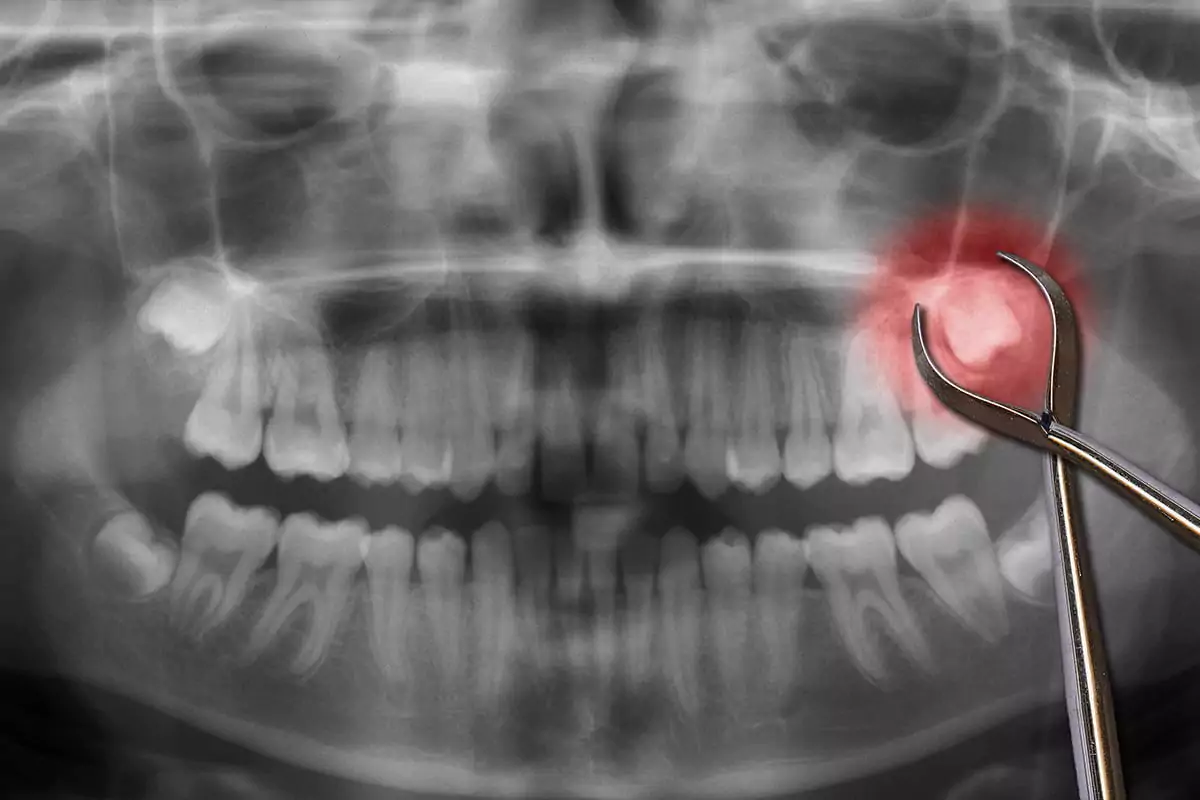
Wisdom teeth, also called third molars, often raise many questions: Why do they appear? Do they always hurt? When is it better to keep them, and when should they be removed?
At Channel Islands Family Dental Office in Camarillo, we want to explain everything in a friendly and clear way so you understand their function, possible complications, and how we manage them at our clinic.
Third molars are the last teeth to appear in the mouth, located behind the second molars. They are called “wisdom teeth” because they appear at a stage of life associated with maturity.
They usually appear between ages 18 and 25, though some people get only a few or none at all.
Historically, these teeth were needed to chew harder foods, so our ancestors had larger jaws. Today, with smaller jaws and softer diets, wisdom teeth sometimes grow crooked or become impacted, which can cause pain, swelling, or affect nearby teeth.
Function of wisdom teeth
Even though not everyone needs them, wisdom teeth have important functions:
- Complete the adult set of teeth
- Distribute bite force at the back of the mouth
- Support adjacent teeth
When they grow correctly and do not cause discomfort, they can safely remain in the mouth.
When wisdom teeth can be kept
At our Camarillo clinic, we carefully evaluate each case:
- They can be kept if they grow aligned and do not affect other teeth
- They help maintain good oral hygiene and a healthy bite
- We monitor them with regular check-ups and digital X-rays to ensure long-term health
When it’s better to remove them
Sometimes removal is necessary to prevent complications:
- Recurring pain or swelling in the back of the mouth
- Crooked or impacted teeth that press on others
- Cysts or infections like pericoronitis
- Cavities that are hard to treat due to their position